
For backyard games wholesale, choose ODM when you need a seasonal display SKU fast and can accept the factory's existing tooling, and choose OEM only when your own design, brand, or technical requirement justifies tooling (40-50 days) plus compliance testing (3-8 weeks) on top of production (30-50 days). The real decision is which path protects your margin after MOQ, tooling amortization, and test cost are loaded in.
If your product is designed primarily for children 12 or younger and subject to a Outdoor Toy rule, a Children's Product Certificate (CPC) based on third-party testing at a Outdoor Toy laboratory must be ready before you commit to a ship date. From July 8, 2026, importers of most regulated consumer products must electronically file certificates of compliance with CBP. That date, not the factory's production calendar, is the hard constraint on a 2026-2027 backyard games launch.
Key Takeaways
- ODM shortens the launch timeline because tooling already exists; you trade design ownership for speed and usually accept the factory's existing MOQ posture.
- OEM adds tooling (40-50 days) and compliance testing (3-8 weeks) to the critical path, so budget these before you promise a retail set date.
- Catalog MOQ is per-SKU and not a program MOQ — treat any single figure as a starting point for quotation, not a commitment.
- For US-bound children's products, the CPC and its supporting English test reports are product-specific; a factory-level certificate does not substitute.
- For EU-bound toys, CE marking and an EU Declaration of Conformity belong to the conformity process and must be matched to the product scope.
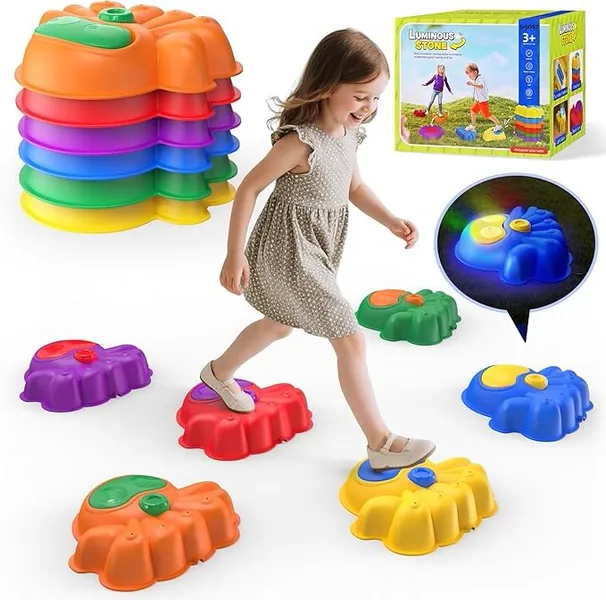
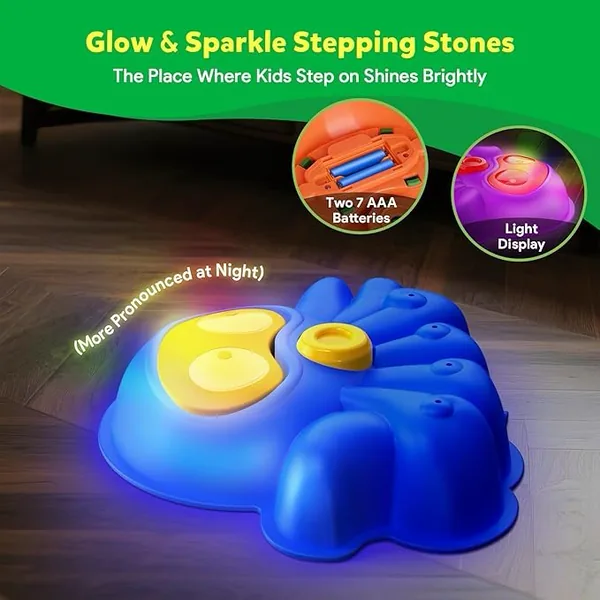
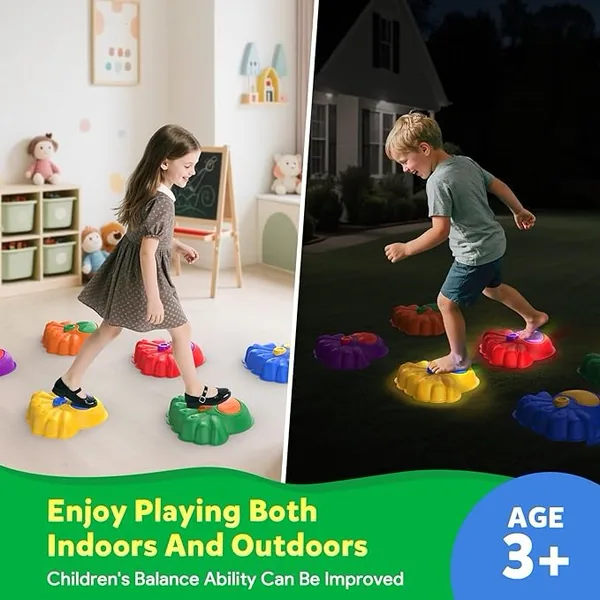
Why the OEM/ODM Choice Drives Cost and Margin, Not Just Speed
OEM normally means the supplier manufactures to the buyer's specified design, brand, or technical requirements, and the contract should define the exact scope — that scope is where tooling cost, minimum order, and test responsibility sit. ODM means you buy a design the factory already owns, which removes tooling from your critical path but limits how far you can differentiate the product.
The margin math follows from that. A new mold must be amortized over the first production runs, so a small opening order carries a higher per-unit tooling load. Buying an existing ODM design avoids that load but puts you on the same shelf as every other buyer of the same item — a real trade-off for garden centers and seasonal displays where visual differentiation moves units.
Incoterms define when risk transfers between seller and buyer; they do not define product-safety compliance or ownership of test reports. Decide the Incoterm and the compliance owner at the same time, or you will discover after shipment that nobody contractually holds the report.
OEM Launch Timeline: Stage Durations to Plan Against
Published toy-development stage estimates put technical feasibility at 1 week to 1 month, concept design at 2 weeks to 3 months (including up to three design iterations), industrial design at 2-5 weeks, mechanical engineering at 3 weeks to 1.5 months, and final prototyping at 2 weeks. Tooling typically runs 40-50 days; compliance and regulatory testing 3-8 weeks; production 30-50 days.
Read those ranges as a schedule skeleton, not a promise. A backyard game with molded plastic parts, a target mechanism, or a battery compartment can sit at the long end of engineering and testing. Tooling and compliance testing are the stages that most often slip a retail set date, because both depend on a third party or a physical artifact you cannot compress with email.
Sequence them in parallel where you legitimately can: start compliance scoping during mechanical engineering so the test lab receives a near-final configuration, and lock packaging artwork while tooling is still in the press. What you cannot do is start production before the applicable rule set for your age grade has been mapped.
OEM vs ODM Side-by-Side for Backyard Games
| Design ownership | OEM: buyer's design, brand, or technical requirements per contract; ODM: factory design |
|---|---|
| Tooling on your critical path | OEM: yes, 40-50 days; ODM: typically not for existing tooling |
| Compliance testing window | 3-8 weeks in both paths; scope depends on age grade and destination market |
| MOQ posture | varies by spec and by SKU; catalog figures are per-SKU, not a program MOQ |
| Typical buyer fit | OEM: branded programs and differentiated seasonal lines; ODM: fast-fill seasonal displays and test orders |
| Main margin risk | OEM: tooling amortization on small first runs; ODM: price competition on non-differentiated items |
MOQ and Cost Trade-offs: Read Catalog Figures Correctly
Stated MOQs on backyard-game SKUs commonly spread across a wide band — from very low single-digit figures on small accessories up to roughly 120-144 pieces on larger molded items. That spread is per-SKU, not a single program minimum. If you quote one number to your retail buyer and the factory applies it to a different SKU, your margin model breaks before the first PO.
Low MOQ on a small item usually reflects simple tooling and light packaging; high MOQ on a large item usually reflects mold size, carton cube, and the economics of a production run. Ask for the MOQ in writing per SKU, with the pieces-per-carton figure attached, because carton cube drives your landed cost as much as the unit price does.
Material matters to cost too, and it is a disclosure question before it is a performance question. HDPE is generally stiffer than LDPE and is used for rigid or semi-rigid molded and blow-molded parts when its chemical and impact balance fits the design. For outdoor items that live in sun and rain, confirm the material field on the SKU you are actually quoting — some catalog entries leave it blank, and a blank is not a specification.
US Compliance: CPC and the July 8, 2026 eFiling Requirement
Children's products are consumer products designed or intended primarily for children 12 years of age or younger; those subject to a consumer product safety rule, ban, standard, or Outdoor Toy regulation require third-party testing and certification. According to the Outdoor Toy, Section 14 of the Outdoor Toy, codified in 16 CFR part 1110, requires domestic manufacturers and importers of children's products to certify compliance in a written CPC based on test results from a third-party, Outdoor Toy laboratory.
The CPC and supporting test reports must be in English, and the seven required elements include product identification, citation to each applicable Outdoor Toy children's product safety rule, identification of the manufacturer or importer certifying compliance, contact information for the individual maintaining test records, date and place of manufacture, date(s) and place(s) of testing, and identification of the laboratory that conducted testing. A CPC is product-specific and should not be treated as a blanket factory certificate.
Beginning July 8, 2026, importers of most regulated consumer products must electronically file certificates of compliance with U.S. Customs and Border Protection via a Partner Government Agency Message Set. Build that into the timeline before production: if eFiling readiness is not on the schedule, the ship date is not real. Confirm with your supplier which party holds the CPC and who files.
EU and UK Compliance: Toy Safety Directive and Marking Routes
Toy products placed on the EU market must meet the applicable essential safety requirements under Toy Safety Directive 2009/48/EC, and CE marking plus an EU Declaration of Conformity belong to the conformity process and must be matched to the product scope. The General Product Safety Regulation (EU) 2023/988 is a separate legal instrument — do not fold it into a toy directive statement.
Great Britain and Northern Ireland use different product-marking routes for toys; the listing must identify the destination before you select CE, UKCA, or CE UKNI evidence. That decision changes what your supplier must prepare, so settle it at product definition, not at the port.
For any market, a test report should identify the product configuration, age grade, and standard edition. The applicable edition should be read from the current regulation before a report is quoted, and the report must match the product, age grade, material, and test edition.
How to Verify a Backyard Games Supplier Before You Commit
Start with the physical reference piece. A sealed golden sample on the QC shelf is what ends a colour dispute — emails do not. Compare bulk to that physical piece on colour, fit, flash, and function, and be aware that buyers who approve only a photo often pay for it on the second lot.
Ask for the inspection plan, not a slogan. The AQL number belongs in the agreed inspection plan on the PO, not in a catalogue sentence; on the floor, a failed lot is isolated, the defect class is recorded, and release happens only after rework. If a supplier volunteers a single AQL figure in a brochure, ask which PO it will be attached to.
Then verify the commercial and compliance paperwork as one package: MOQ per SKU in writing, pieces-per-carton data for your packing list, retail-ready packaging sample, FOB quotation basis, pre-shipment QC photo protocol, and — for US children's products — the CPC, the Outdoor Toy laboratory name, and the test reports in English. Incoterms define when risk transfers; they do not transfer compliance ownership, so name that party in the contract.
Where the Suppliers Are: Chenghai, Shantou, and Yiwu
Chenghai, in Shantou, Guangdong, is the dense plastic-toy manufacturing cluster: molds, molding, assembly, and packaging sit close together, which shortens the loop between a tooling change and a new sample. That density is why ODM selection is fast there — you are often choosing among factories that already run comparable outdoor and sport-toy molds.
Shantou more broadly adds export logistics and a wider supplier base around the same cluster. Yiwu serves a different job: it is a trading and small-commodity market where low-MOQ mixed orders and fast assortment changes are the strength, but where you are often buying through a trader rather than standing on the production floor. Match the origin to the task — Yiwu for a fast assortment test, Chenghai/Shantou for OEM tooling and controlled production.
Neither location tells you whether a specific factory is compliant. Cluster reputation is not a certificate. Evaluate the individual factory on sample control, inspection planning, and product-specific test documentation.
Sequencing a Launch: The Order That Protects the Set Date
Define the product and age grade first, because age grading determines which safety rules apply and therefore how long testing takes. Map the applicable rule set next. Only then start tooling and testing in parallel, and only after the compliance scope is clear should production be scheduled.
A practical sequence for a US-bound children's backyard game: product definition and age grading; safety-rule mapping; Outdoor Toy lab testing; CPC drafting with all seven elements; eFiling readiness ahead of July 8, 2026; production; pre-shipment QC against the sealed golden sample; shipment. For EU-bound toys, substitute CE marking and the EU Declaration of Conformity, matched to the product scope.
Your next buyer action is concrete: request the supplier's CPC, supporting English test reports, the Outdoor Toy laboratory name, and their eFiling plan before you commit to a launch date — and request MOQ per SKU with pieces-per-carton data before you commit to a margin model. If the supplier cannot produce those documents for the exact SKU, the schedule is a guess.
Frequently Asked Questions
Should I choose OEM or ODM for a backyard games program with a fixed seasonal set date?
Choose ODM if the set date is fixed and you can accept the factory's existing design, because tooling (40-50 days) stays off your critical path. Choose OEM only if your own design or brand requirement justifies tooling plus compliance testing (3-8 weeks) inside the same window. If the date cannot absorb both, the ODM path is the one that ships.
What MOQ should I expect for backyard games wholesale?
Expect a wide per-SKU band rather than one program number — small accessories can sit at very low single digits and larger molded items commonly reach roughly 120-144 pieces. MOQ is a catalog or quotation figure tied to the specific SKU, so confirm it in writing per item before you build a margin model.
Do backyard games sold in the US need a Children's Product Certificate?
Only if the product is designed or intended primarily for children 12 or younger and is subject to a Outdoor Toy rule. In that case a CPC based on third-party testing at a Outdoor Toy laboratory is required, with the certificate and supporting test reports in English, and the CPC is product-specific rather than a blanket factory certificate. Confirm the age grade and applicable rules for your exact SKU.
What changes on July 8, 2026 for US toy imports?
From that date, importers of most regulated consumer products must electronically file certificates of compliance with U.S. Customs and Border Protection via a Partner Government Agency Message Set. Build eFiling readiness into the launch timeline and confirm which party files, because a missing filing can stop a shipment that is otherwise production-ready.
How do I verify a supplier's compliance claim for an EU-bound backyard game?
Ask for the CE marking and EU Declaration of Conformity matched to the product scope, and check that any test report identifies the product configuration, age grade, and standard edition. Great Britain and Northern Ireland use different marking routes, so confirm the destination first. A general compliance claim is not a substitute for product-specific documentation.
What should I inspect before shipment to avoid second-lot surprises?
Inspect bulk against the sealed golden sample on colour, fit, flash, and function, and work to the inspection plan agreed on the PO rather than a catalog AQL sentence. Also confirm pieces-per-carton data for your packing list and retail-ready packaging. Approving only a photo is the most common way buyers get a different second lot than the first.
Sources
Related Products & Categories
Request a Quote or a Factory Audit
Use the Backyard Games and Sports & Target Games collections to shortlist SKUs, then request a quotation with MOQ per SKU and pieces-per-carton data. If you are planning an OEM program, ask for a factory audit and a compliance document package — CPC and English test reports for US children's products, CE and EU Declaration of Conformity for EU toys — before you lock a launch date. A sealed golden sample and an agreed inspection plan on the PO are the two artifacts that protect the second order as well as the first.