
The single most important sign of a global-grade toy factory is not its website or its showroom—it's the list of clients it has served for years across multiple continents. A factory that has maintained long-term relationships with large retailers in North America, Europe, and Asia has already survived the audits, the QC inspections, and the brutal margin negotiations that break weaker suppliers. This page walks you through seven concrete signs to look for when vetting a toy factory, from production capabilities to communication habits, so you can confidently commit to a supplier that can handle large retail orders.
Key Takeaways
- A global-grade toy factory typically has a client roster spanning several continents, not just one region—proof it can meet diverse regulatory and quality standards.
- Before loading, a reliable supplier will send QC photos and videos of the actual goods, not just a production schedule.
- OEM/ODM flexibility is a strong indicator: factories that can adapt existing designs or create new ones from scratch are better partners for retail innovation.
- Responsive communication—fast replies, clear updates, and proactive problem-solving—is as important as the factory's machinery.
- Check for certifications like EN71, ASTM, and CE, but verify they're current and apply to your specific product, not just the factory in general.
What Does a Comprehensive Toy Manufacturer Look Like?
When you're sourcing toys at scale, you want a factory that does more than injection molding. Look for a comprehensive manufacturer that handles design, mold making, injection, assembly, and quality control in-house. This vertical integration reduces lead times and communication gaps. For example, YardRomp, a Chenghai-based sourcing partner with 15 years of experience serving clients across 80+ countries, offers full OEM/ODM services from concept to shipping. But don't just take their word—ask for client references, ideally in your country, and check their track record with big-box retailers.
Manufacturers at a Glance
| Manufacturer A (Chenghai) | Specialty: Plastic & educational toys | MOQ: 1000-3000 pcs | Origin: Chenghai, Guangdong | OEM/ODM: Yes | Certifications: EN71, ASTM, CE |
|---|---|
| Manufacturer B (Shantou) | Specialty: Plush toys | MOQ: 500-1000 pcs | Origin: Shantou, Guangdong | OEM/ODM: Yes | Certifications: EN71, ASTM |
| Manufacturer C (Yiwu) | Specialty: Small plastic novelties | MOQ: 2000-5000 pcs | Origin: Yiwu, Zhejiang | OEM/ODM: Limited | Certifications: varies by spec |
| Manufacturer D (Shenzhen) | Specialty: Electronic & RC toys | MOQ: 1000-2000 pcs | Origin: Shenzhen, Guangdong | OEM/ODM: Yes | Certifications: CE, FCC, RoHS |
| Manufacturer E (Dongguan) | Specialty: Wooden & educational toys | MOQ: 500-1500 pcs | Origin: Dongguan, Guangdong | OEM/ODM: Yes | Certifications: EN71, ASTM, FSC (optional) |
How to Choose a Factory by Toy Category (Plastic, Plush, Educational)
Classify factories by their core specialty. Plastic toy factories in Chenghai and Shantou are dense—over 10,000 toy-related enterprises cluster in a 345 sq km area, with a huge ecosystem of mold shops, painting lines, and packaging printers. For plush toys, look to factories with strong sewing and stuffing QC, often also in Shantou. Educational toys, including wooden sets, are more common in Dongguan and parts of Zhejiang. Match the factory's specialty to your product line; a plastic factory that claims plush expertise is a red flag.
Within each category, evaluate their OEM/ODM capability. A true OEM partner will show you how they adapt existing molds for custom colors or branding, while an ODM partner can design a new product from scratch. Ask for case studies, not just promises. And verify their MOQ—plastic toys often start around 1000-3000 pieces, while plush may be lower, but this varies by spec.
How to Verify a Chinese Toy Factory (Audits, Samples, Certs)
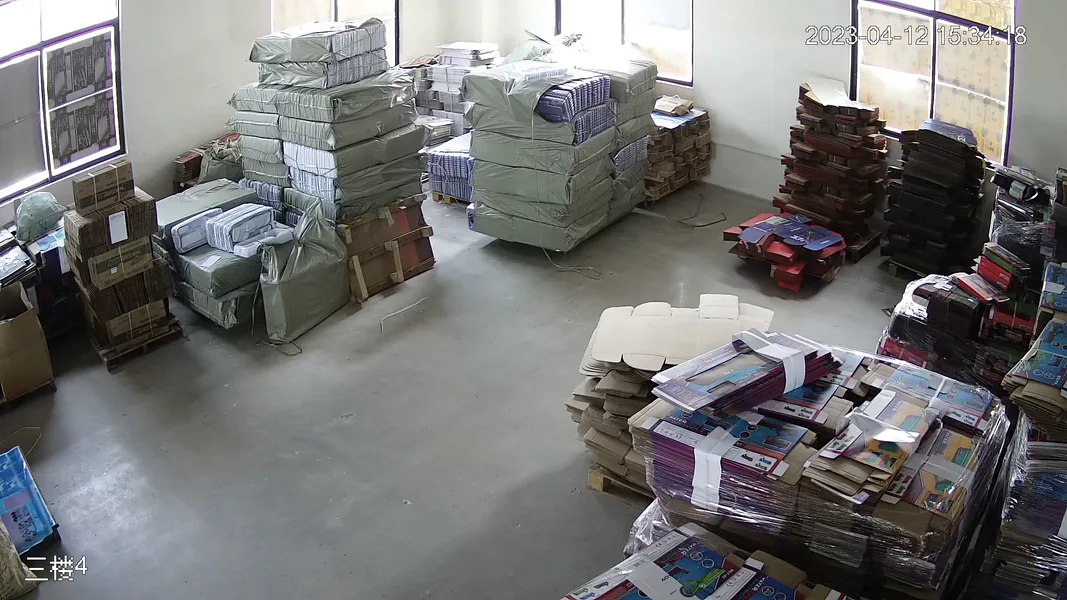
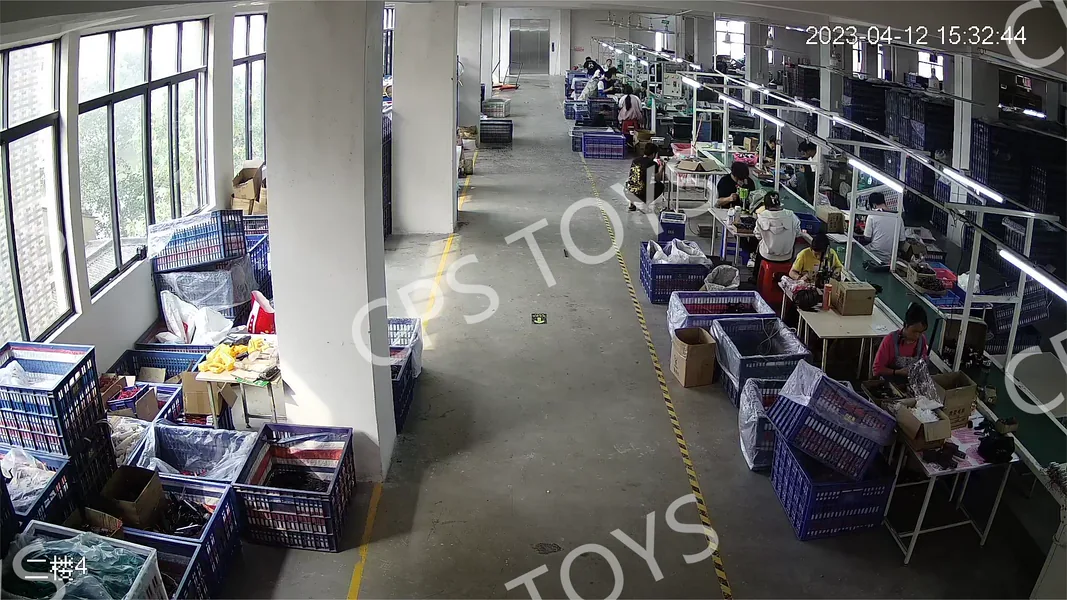
Start with a factory audit. Whether you use a third-party agency or visit yourself, check production areas, storage, and worker conditions. Look for a quality management system that includes incoming material checks, in-process QC, and final random inspection. Ask about their defect rate and how they handle returns.
Order pre-production samples, then a pilot run. Test the samples independently for safety and durability. For certifications, request copies of EN71, ASTM, or CE certificates, and verify the certificate number with the issuing body. Note that certifications are product-specific—a certificate for a plastic car doesn't cover a plush doll.
Check communication responsiveness. A factory that replies within 24 hours, provides clear updates, and asks clarifying questions is a good sign. If they go silent for days, that's a warning, especially when you need rapid reorders for retail spikes.
Finally, ask for client references, ideally in your region. A factory with long-term clients on almost all continents is more likely to understand your market's regulations and expectations. If they hesitate, that's a red flag.
The Chenghai Ecosystem Advantage
Chenghai, a district in Shantou, Guangdong, is the world's toy capital. In just 345 square kilometers, over 10,000 toy production and supporting enterprises operate, employing more than 300,000 workers. There are over 2,000 mold-making shops, 500+ spray-painting and printing factories, 300+ packaging printers, and 100+ electronic component suppliers. This density means faster prototyping, cheaper molds, and easier access to components—a huge advantage for OEM projects. But it also means fierce competition, so vetting is crucial.
Yiwu, on the other hand, is a trading hub with a massive market for small consumer goods, including budget toys. It's excellent for low-cost, high-volume novelties, but the factories there often have higher MOQs and less OEM flexibility. Choose Chenghai for quality and customization; choose Yiwu for price-sensitive, simple items.
7 Signs of a Global-Grade Supplier
1. Long-term clients across continents—this proves they've met diverse standards and survived multiple audits.
2. QC photos before loading—they send real-time images of the packed goods, not just stock photos.
3. Responsive communication—they reply quickly and proactively share production updates.
4. OEM/ODM flexibility—they can adapt existing designs or create new ones, not just copy a catalog.
5. Current, product-specific certifications—not just a generic EN71 certificate but one that covers your product.
6. Transparent pricing and MOQ—they explain cost breakdowns and are flexible on MOQ for repeat orders.
7. A clean audit trail—they welcome factory audits and share client references without hesitation.
FAQ
What should I check to ensure a toy supplier can handle large retail orders?
Look for a factory with long-term clients on multiple continents, current certifications for your product type, and a track record of on-time shipments. Verify their production capacity in writing and ask for client references in your market.
How important are QC photos before loading?
Very important. They show the actual goods are packed correctly and meet your specs. A global-grade factory will send them as standard practice, not as a special favor.
What MOQ can I expect from a Chenghai toy factory?
For plastic toys, MOQs often start around 1000-3000 pieces, but this varies by spec. Plush toys may have lower MOQs. Always ask for a specific quote based on your product.
How do I verify a factory's certifications?
Request copies of EN71, ASTM, or CE certificates, then verify the certificate number with the issuing body. Ensure the certificate covers your specific product, not just the factory.
What are the signs of a factory with OEM/ODM capability?
They should show you examples of custom products they've developed, have in-house design and mold-making teams, and be able to discuss adapting existing molds or creating new ones.
Request a Quote
Ready to vet a toy factory that's served clients across the globe for years? Contact us to request a quote or schedule a factory audit. We'll walk you through our certifications, client references, and QC processes.