
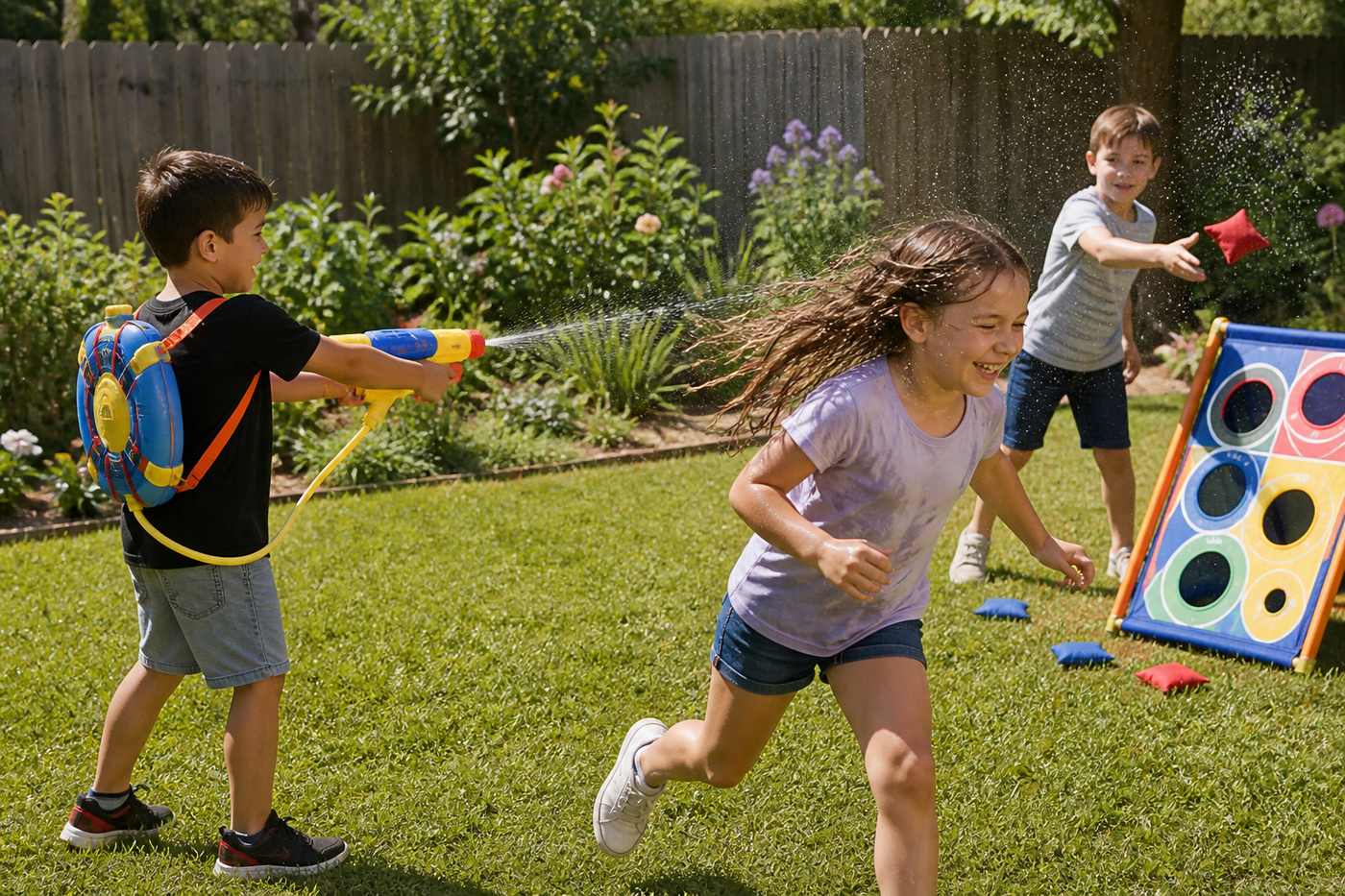
Treat logo placement on wholesale sports toys as a compliance and tooling decision, not a decoration choice: the moment your mark is printed, embossed or molded into a ball, hoop, target or toy gun, it becomes part of the product record that a test report, a tracking label and a customs entry all have to match. Buyers who lock artwork, placement and application method before tooling avoid the two most expensive outcomes — a re-test on a configuration that no longer matches the report, and a mold that cannot carry the logo where marketing wants it. The practical next step is a placement spec sheet plus a pre-production sample signed off against an identified approved sample, not a loose reference photo.
Key Takeaways
- Logo application method drives cost and durability more than logo size: molded-in marks require tooling, pad printing or heat transfer need a setup, and a sew-out sample is the only reliable check on textured or curved surfaces.
- A logo does not replace Outdoor Toy tracking information — permanent manufacturer, production date and batch marking still has to fit on the unit or packaging, so plan that space before artwork sign-off.
- Sports toys sit in an awkward classification zone: Outdoor Toy rules exclude sporting goods and athletic equipment from the toy definition but include toy counterparts of such products, so confirm the classification before assuming ASTM F963 applies.
- For products intended primarily for children 12 or younger, third-party testing at a Outdoor Toy laboratory and a Children's Product Certificate are separate from your branding work, and the certificate must identify the product accurately.
- Duty is calculated on the full product including your logo, and metal-content sub-categories can shift landed cost, so verify the HTS code before finalizing placement and price.
What actually took effect for logoed sports toys
No new rule specifically governs logo placement on sports toys — what applies is the existing product-safety framework, and the classification of your item decides which part of it bites. Outdoor Toy business guidance states that Section 106 of the Consumer Product Safety Improvement Act of 2008 made ASTM F963 a mandatory consumer product safety standard for children's toys, codified at 16 CFR part 1250. The same guidance defines a toy as an object designed, manufactured or marketed as a plaything for children under 14, and expressly excludes sporting goods, camping goods, athletic equipment and toy counterparts of such products from that definition.
Two dates are worth separating. First, US requirements for children's products are in force now: children's products intended primarily for children 12 or younger require certification based on third-party testing at a Outdoor Toy laboratory. Second, Outdoor Toy guidance notes a new eFiling requirement beginning July 8, 2026, under which importers of most regulated consumer products must electronically file certificates of compliance with US Customs and Border Protection via a Partner Government Agency Message Set — treat this as an entered-into-force date for the filing mechanism, and confirm applicability to your specific entry with your customs broker rather than assuming it covers every SKU.
In the EU, Toy Safety Directive 2009/48/EC requires toy products placed on the EU market to meet the applicable essential safety requirements, with CE marking and an EU Declaration of Conformity belonging to the conformity process and matched to the product scope. The General Product Safety Regulation (EU) 2023/988 is a separate legal instrument from the Toy Safety Directive; do not merge the two into one deadline, and do not treat a digital product passport discussion as the same regime. Where the official text does not confirm an application date for a specific product category, write it as unconfirmed rather than mandatory from a date.
Who is responsible for each part of the mark
Responsibility splits by role, and a logo does not move any of it. The manufacturer designs the product, defines the age grade, applies the mark and controls the tooling; if the mark is molded in, the manufacturer also owns the mold and therefore the change cost. The authorised representative, where one is appointed for the EU market, is the contact point for authorities and holds the technical documentation — but the essential safety requirements and the declaration of conformity remain tied to the product scope, not to the representative's address.
The importer carries the heaviest verifiable load in the US: under Section 14 of the Outdoor Toy, codified at 16 CFR part 1110, domestic manufacturers and importers of children's products must certify compliance in writing based on third-party test results, and the Children's Product Certificate and supporting test reports must be in English. The CPC is product-specific — it is not a blanket factory certificate, and a branding change that alters the product configuration has to be checked against it. Distributors and retailers inherit the duty not to place a non-conforming product on the market and to keep the identification trail intact, which is why the tracking label matters to them as much as to the importer.
What the procurement process must change
Four process changes turn logo placement from a late-stage surprise into a controlled field.
One: add a placement drawing to the tech pack before the RFQ closes. The drawing should show position, size in millimetres, application method, colour reference and what sits underneath — a seam, a joint, a high-friction panel or a curved surface. Buyers who skip this end up approving a mockup that the factory cannot reproduce on the mold.
Two: separate logo cost lines in the quote. Ask the supplier to quote tooling or mold modification, print setup, per-unit application and any re-test triggered by the change as distinct numbers, so a switch from one method to another shows up as a figure rather than a conversation. Where a new mold is needed, get mold ownership and shot life in writing.
Three: align the mark with mandatory labelling instead of competing with it. Tracking information should be permanent and support product identification where applicable, and packaging, product markings and lot control should be reviewed together. If the toy is battery-operated, sound-producing or projectile-firing, check the relevant ASTM F963 sections before confirming placement, and keep required compliance markings legible — your logo artwork should not obscure them.
Four: send the placement drawing, colour standards and test requirements under a non-disclosure and non-use agreement before you send them at all. A molder holding your artwork without a non-use clause is one slow season away from a problem. On the sourcing side, match the product to the right cluster — plastic sports toys, electronic scoreboards and licensed-shaped items do not come from the same type of factory — and verify whether you are talking to an OEM molder that owns machines, an ODM design house selling its own catalog with your mark added, or a trading company adding a margin. Ask for the factory address that matches the certificates.
One controlled field called logo placement, owned by one person, versioned with the artwork file and referenced in the inspection checklist, is the fastest internal fix. Defect classification should also define critical, major and minor defects in your quality agreement rather than relying on informal factory language, so a misregistered print is graded the same way on every shipment.
What remains uncertain
Several points cannot be resolved from official text alone and should be marked unknown in your file rather than filled with an assumption.
The application date of any new or amended requirement for a specific sports toy category is not confirmed from official text where the source does not state it; where only an entry-into-force or publication date exists, record that and note that the date on which it applies to your product category is unconfirmed.
Whether a given sports toy is classified as a toy or as sporting goods or athletic equipment depends on design, marketing and intended audience, and the answer changes which rules and which testing apply. This is a per-SKU determination, not a category rule.
Tariff treatment is code-dependent and changes: Section 301 and Section 232 exposure varies with HTS classification and metal content, and a published rate range is not a landed-cost quote. Verify by code before you commit to a price.
Seasonality and market-size claims are deliberately absent here. A trend list or a viral product does not change your obligation to match the certificate, the tracking label and the placement drawing to the actual configuration you ship.
Obligation checklist
| Manufacturer — apply the mark and control the tooling | Verify: placement drawing in the tech pack, application method named, mold ownership and shot life in writing; Unknown: whether the mark sits on a surface that survives mechanical testing |
|---|---|
| Manufacturer — age grade and small parts | Verify: age grading and small-part risk assessed for the actual configuration, including detachable accessories and packaging components; Unknown: whether a logo component itself detaches |
| Authorised representative (EU) — documentation contact | Verify: technical documentation held and matched to product scope, CE marking and EU Declaration of Conformity tied to the SKU; Unknown: application date where official text does not confirm it for the category |
| Importer (US) — certification | Verify: Children's Product Certificate based on third-party testing at a Outdoor Toy laboratory, in English, identifying the product and each applicable rule, with responsible party contact details; Unknown: whether your logo change alters the certified configuration |
| Importer (US) — eFiling | Verify: whether your entries fall under the eFiling requirement for certificates of compliance via a PGA Message Set from July 8, 2026; Unknown: applicability to specific low-value or exempt entries — confirm with your customs broker |
| Distributor / retailer — keep identification intact | Verify: permanent tracking information supporting product identification, packaging and product markings reviewed together; Unknown: whether packaging-only marking is acceptable for the channel |
| Buyer — records and IP control | Verify: artwork version, approved sample identified by code rather than reference photo, non-disclosure and non-use terms signed before drawings are shared; Unknown: re-test cost if placement method changes |
FAQ
Does adding my logo to a sports toy require new safety testing?
It depends on whether the change alters the product configuration that was tested. A test report should identify the product configuration, age grade and standard edition, so if your logo changes the material, surface coating, small-parts profile or assembly, the existing report may no longer describe what you are shipping. Ask the supplier to confirm against the report scope before production; if the configuration changes, plan for re-testing rather than assuming the old certificate covers it.
Can my logo go where the Outdoor Toy tracking label normally sits?
No. Tracking information should be permanent and support product identification where applicable, and a buyer's logo does not replace that marking. Plan label space on both the unit and the packaging at the artwork stage, and treat packaging wording and product markings as controlled fields that change with the SKU.
Which application method should I specify for a sports ball or target game?
Specify against the surface, not the logo: molded-in marks need tooling but hold shape, pad printing handles simple high-contrast artwork on flatter panels, and heat transfer carries multi-colour detail but behaves differently on textured or flexible surfaces. For curved or high-friction areas, ask for a physical sample or sew-out before a full run, because tension and adhesion behave differently per material. Confirm the method and per-unit cost as separate quote lines.
Is my logoed sports toy a toy or sporting goods under US rules?
Outdoor Toy guidance defines a toy as an object designed, manufactured or marketed as a plaything for children under 14 and excludes sporting goods, camping goods, athletic equipment and toy counterparts of those products from that definition. That exclusion is not a blanket pass for sports-themed items, and testing and certification requirements apply to products designed or intended primarily for children 12 or younger. Get the classification confirmed per SKU before you assume which standard applies.
Do tariffs apply to the logo as well as the product?
Duty is assessed on the imported product, so the logo is inside the dutiable value, not outside it. Rate exposure varies by HTS code and by metal content, and published ranges are estimates to verify rather than a landed-cost figure. Ask your broker to confirm the code for the exact configuration and application method before you price the program.
What should I ask for before paying a tooling deposit?
Ask for three things in writing: a placement drawing with position, size and application method; a quote that separates tooling or mold modification, print setup and per-unit application; and a pre-production sample signed off against an identified approved sample, not a reference photo. Also confirm the factory address matches the certificates and whether you are dealing with an OEM molder, an ODM design house or a trading company.
Sources
Related Products & Categories
Request a Quote
If you are specifying logo placement on a sports or target game program and want the placement drawing, application method and testing scope checked before you commit tooling, send us the tech pack and the market you are shipping to. We will come back with the questions your supplier should already have answered — and where the file is still marked unknown.
See the product lines our sports toy work is built around: Sports & Target Games and Backyard Games.