
Approve the sealed physical sample, not the photo, if your program depends on consistent colour and function across bulk lots. Choose a factory with documented test reports and a Children's Product Certificate (CPC) if your destination market is the US or EU. Sample approval is the single point where you can catch a colour, fit, flash, or function problem before it becomes a container-load of claims.
The decision rule is simple: the sample is your contract. The argument that ends a colour fight in Chenghai is the sealed golden sample on the QC shelf, not an email thread. Bulk is compared to that physical piece — colour, fit, flash, function. Buyers who approve only a photo pay for it on the second lot.
Key Takeaways
- Sealed samples beat photos every time. Insist on a physical, signed-off sample that the factory keeps on its QC shelf; compare bulk production to it for colour, fit, flash, and function.
- For US-bound toys, a CPC and third-party test report from a Outdoor Toy lab are required for children 12 and under; the report must match the SKU, age grade, and the applicable ASTM F963 edition.
- For EU-bound toys, CE marking and a Declaration of Conformity under Directive 2009/48/EC are the baseline; verify the technical file and chemical test reports during sample approval, not after the PO.
- MOQs for sports toys from Chenghai typically range from 20 to 200 units per SKU, depending on the item; the median in one factory's catalog sits around 72 units.
- Inspection numbers like AQL are not a catalogue sentence. Get the defect classification (critical, major, minor) and the AQL written into the inspection plan on your PO.
What Does a Sports Toy Factory in Chenghai Actually Offer?
Chenghai and nearby Shantou in Guangdong are the heart of China's toy manufacturing. The ecosystem is dense: injection-molding shops, screen printers, assembly lines, and QC teams within a few kilometers of each other. That density is the supply-chain advantage — you can get a plastic dartboard, a fabric boxing set, and a light-up stepping stone from the same district, and consolidate them into one container.
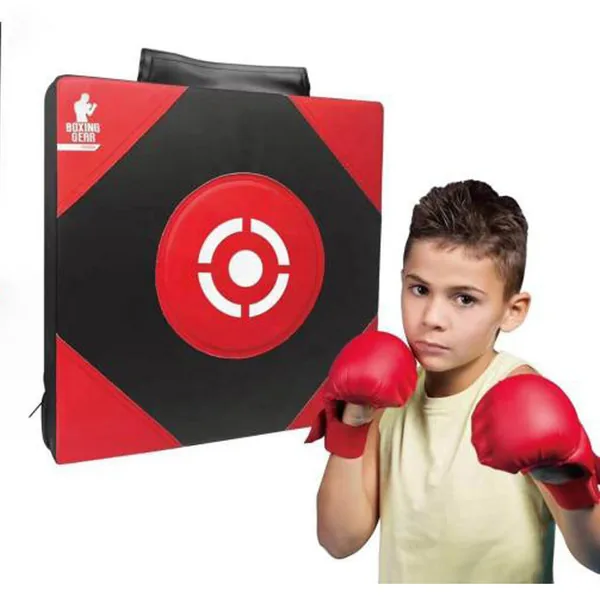
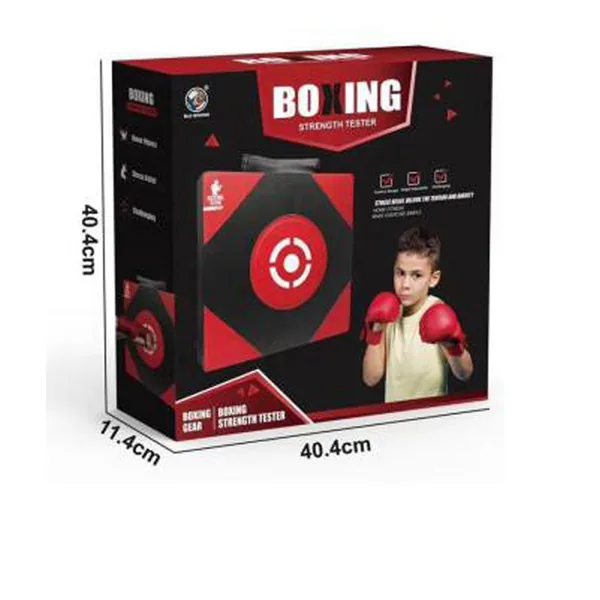
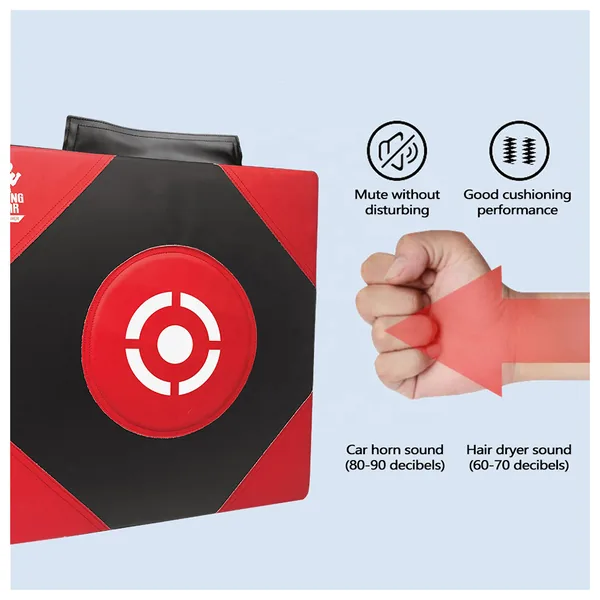
The product range for outdoor sports and target games is broader than most buyers assume. A single factory catalog can include wall boxing targets, football target game mats, 3-in-1 golf-basketball-toss stands, dartboards with rubber safety tips, bowling racks, light-up bow and arrow sets, stepping stones, adjustable basketball hoops, and jump-rope toss games. Materials are typically plastic (ABS or generic plastic), with occasional fabric components like boxing gloves.
The buyer's job is not to find a factory that makes 'sports toys' — it's to find one that can prove quality on the specific SKUs you plan to buy. That proof comes from samples, test reports, and a written inspection plan.
How to Verify a Chinese Sports Toy Supplier
Verification starts with the sample, not the brochure. Ask the factory to send a physical pre-production sample, then ask them to keep a duplicate sealed on their QC shelf. When the bulk order arrives, your inspector compares it to that sealed sample. This is the only way to hold a factory accountable for colour drift, mould flash, and function failures.
Next, verify the paperwork. For US-bound products, the factory or importer must provide a Children's Product Certificate (CPC) based on testing at a Outdoor Toy laboratory. The CPC must be in English and include seven elements: product identification, citation to applicable safety rules, manufacturer/importer identification, contact for test records, date and place of manufacture, date and place of testing, and identification of the third-party lab. For EU-bound products, CE marking and an EU Declaration of Conformity under the Toy Safety Directive 2009/48/EC are required, supported by a technical file.
Then, check the inspection plan. A reputable factory will isolate a failed lot, record the defect class, and release only after rework. But the AQL number itself should come from the agreed inspection plan on your PO, not from a catalogue sentence. Define critical, major, and minor defects in writing before production starts.
Finally, verify the factory's track record. A wall of customer logos is self-reported; ask for named references in your category and check them. If a factory has worked with large clients across continents, they should be able to connect you with a reference relevant to your market.
Sports Toy SKU Evidence at a Glance
| Wall Boxing Targets | Plastic; MOQ 36; price 4.30 USD |
|---|---|
| Football Target Game Mat | Material varies by spec; MOQ 144; price 3.78 USD |
| 3-in-1 Golf Basketball Toss Game | Plastic; MOQ 20; price 14.58 USD |
| Dart Board with Rubber Safety Tips | Plastic ABS; MOQ 36; price 5.24 USD |
| 2-in-1 Golf Toss Game with Sandbag Rack | ABS; MOQ 72; price 3.09 USD |
| Soft Bullet Target Shooting Game | Plastic; MOQ 200; price 8.75 USD |
| Light-Up Bowling Racks | Plastic; MOQ 72; price 2.69 USD |
| Light-Up Bow and Arrow | Plastic; MOQ 72; price 3.05 USD |
| Balance Stepping Stones (6 pcs) | ABS; MOQ 60; price 7.97 USD |
| Adjustable Basketball Hoop | Plastic; MOQ 36; price 5.64 USD |
| Jump Rope Insect Launcher Game | Plastic; MOQ 120; price 8.51 USD |
| Boxing Play Set with Fabric Gloves | Fabric; MOQ 90; price 2.94 USD |
Which Certifications Apply to Sports Toys for the US and EU?
For the US market, the mandatory toy standard is 16 CFR Part 1250, which incorporates ASTM F963 (current version F963-23, effective April 20, 2024). According to the U.S. Consumer Product Safety Commission (Outdoor Toy), toys for children 12 and under generally require third-party testing at a Outdoor Toy laboratory and a Children's Product Certificate. Not every section of ASTM F963 requires third-party testing — only specific sections listed in 16 CFR § 1112.15(b)(32), such as sound, small objects, and accessible edges — but certification must cover all applicable sections.
For the EU market, according to the European Commission's Toy Safety Directive 2009/48/EC, essential safety requirements cover physical and mechanical properties, flammability, chemical properties, electrical properties, hygiene, and sound emissions. CE marking is the only conformity mark. The directive also assigns traceability responsibilities to manufacturers, importers, and distributors, so your sample approval should include a review of the technical file and test reports.
A critical caveat: a test report is product-specific. It must identify the product configuration, age grade, and the standard edition tested. Never accept a 'factory certificate' as a blanket approval — it doesn't exist. The CPC is based on testing results for a specific product and identifies the applicable rules and responsible parties.
How to Use MOQ and Pricing to Shortlist Factories
MOQ is a screening tool, not a commitment. In a typical Chenghai sports-toy catalog, MOQs range from 20 units (for a portable 3-in-1 game stand) to 200 units (for a soft-bullet shooting game), with a median around 72 units. If you're a small distributor testing a new category, look for SKUs with lower MOQs for the trial order, then negotiate volume pricing once the line proves itself.
Pricing in this category is competitive but not uniform. A simple golf toss game might sit around 3.09 USD, while a plastic 3-in-1 stand with more parts can reach 14.58 USD. The price gap often reflects part count, tooling complexity, and packaging, not just margin. Compare like-for-like: same material, same accessories, same packaging format.
A single-category 'filler' item — like a light-up bowling rack at 2.69 USD — can be gold in a container for mixed-container importers. It fits small space, moves fast, and completes CBM alongside higher-value outdoor goods. But the MOQ and price are only half the story; the sample and the inspection plan decide whether that filler actually arrives sellable.
The Sample Approval Checklist: Ask, Verify, Compare
Ask for a sealed physical sample, not a photo. Confirm the factory keeps a duplicate on its QC shelf for bulk comparison.
Verify the test report matches the SKU, the age grade, and the current standard edition (ASTM F963-23 for the US; Directive 2009/48/EC for the EU).
Compare the CPC's seven required elements against the actual product and the lab that did the testing.
Ask which sections of ASTM F963 were tested. For sports toys, pay attention to sound, small parts, accessible edges, cords, projectiles, and battery-operated requirements.
Verify the inspection plan on your PO: defect classification (critical, major, minor) and the AQL, written down before production.
Compare packaging specifications for corner-sensitive goods. A factory that writes double-wall cartons, corner boards, ECT, and pallet height into the booking file is a factory that understands claims are won on the booking file.
Check the destination market's rules. For example, Great Britain and Northern Ireland use different product-marking routes for toys — the listing must identify the destination before selecting CE, UKCA, or CE UKNI evidence.
FAQ
What is the typical MOQ for sports toys from a Chenghai factory?
MOQs range from 20 to 200 units per SKU, with a median around 72. Low-MOQ items like a 3-in-1 game stand (MOQ 20) are good for trial orders; high-MOQ items like a soft-bullet shooting game (MOQ 200) suit established volume programs.
How do I approve a sample for a US-bound sports toy?
Approve the physical sample, not a photo. Then verify the factory provides a Children's Product Certificate (CPC) based on testing at a Outdoor Toy lab, with a test report matching the SKU, age grade, and the applicable ASTM F963 edition (currently F963-23).
What documents do I need for sports toys sold in the EU?
You need CE marking and an EU Declaration of Conformity under Directive 2009/48/EC, supported by a technical file and test reports covering chemical, physical, and mechanical properties. Confirm the importer's name and address appear on the product or packaging.
Is a factory certificate enough to prove compliance?
No. A CPC is product-specific and based on testing results for a particular SKU; it is not a blanket factory certificate. Always ask for the test report that matches the exact product configuration and standard edition.
What should I check for a sports toy with projectiles or sound?
For US-bound toys, verify the factory tested the applicable ASTM F963 sections listed in 16 CFR § 1112.15(b)(32), including sound and projectile requirements. For EU-bound toys, verify the technical file covers sound emission limits and mechanical hazard tests.
How do I handle a colour mismatch between sample and bulk?
Insist on a sealed golden sample kept by the factory's QC. Compare bulk to that physical piece for colour, fit, flash, and function. If you approved only a photo, you will likely pay for it on the second lot.
Sources
Related Products & Categories
Request a Quote or Factory Audit
Ready to evaluate a sports and target games line for your program? Request a quote with your target MOQ and destination market, or ask for a factory audit checklist tailored to your SKUs. We can connect you with the evidence you need to make the call.
Browse the Sports & Target Games collection to see the range, or start with the wall boxing targets to understand the sample approval process on a low-MOQ item.