
A toy factory that can't answer a WhatsApp message within two hours on a business day is a risk you're already paying for. Fast supplier communication isn't about convenience — it's about safety, compliance, and whether your shipment clears customs or dies in a port warehouse. This guide explains how response speed signals a factory's operational health, how it affects order timelines and problem-solving, and how you can verify communication reliability before you commit a single dollar.
We'll cover what response time actually tells you about a factory, how to test it during sourcing, and how it fits into the broader picture of selecting a trustworthy Chinese manufacturer in 2026.
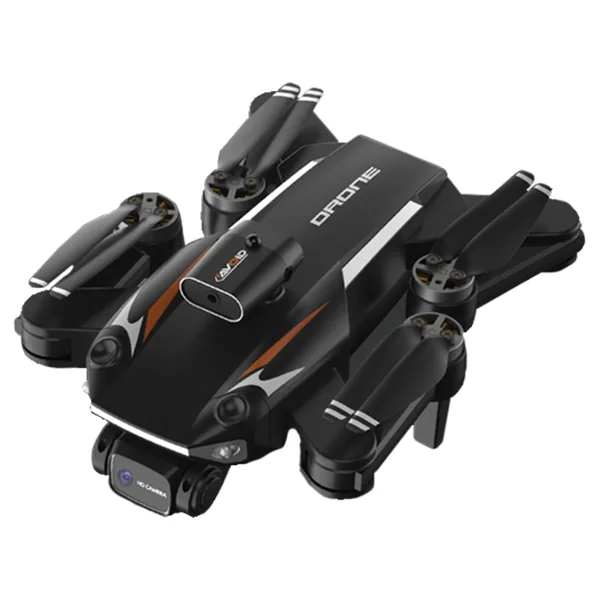
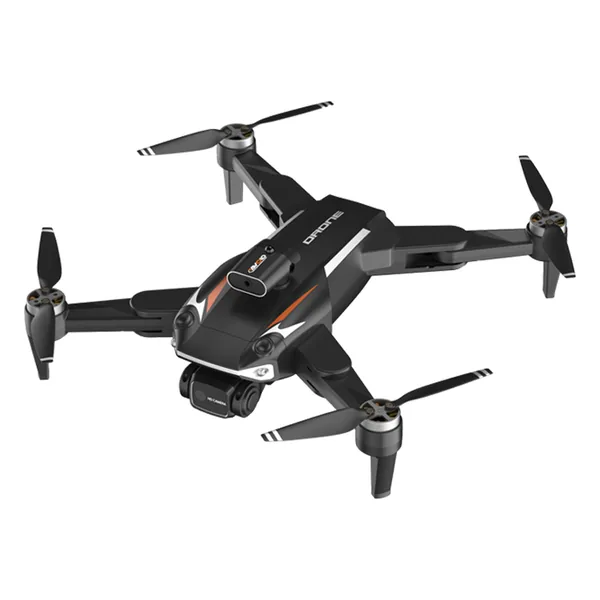
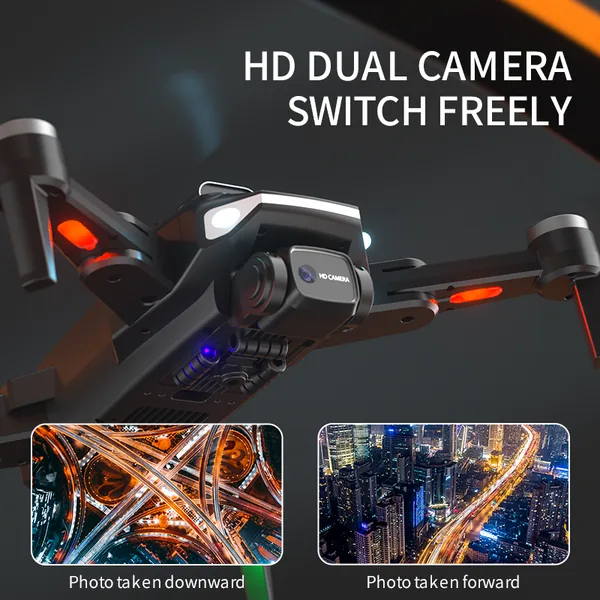
Top Toy Manufacturers by Communication Profile
| Chenghai Full-Service Factory | Specialty: Plastic, electronic, and smart toys; MOQ: typically 1,000-5,000 units per SKU; Origin: Chenghai, Shantou; OEM/ODM: Both; Certs: EN71, ASTM F963, CPC; Response: Usually <2 hours on business days for established suppliers. |
|---|---|
| Shantou Precision Mold Shop | Specialty: Injection molds and tooling; MOQ: N/A (one-time tooling fee); Origin: Fengxiang, Shantou; OEM/ODM: ODM-focused; Certs: Varies by spec; Response: Technical questions may take longer, but commercial replies are fast. |
| Yiwu Trading Aggregator | Specialty: General merchandise, small mixed orders; MOQ: Low, often 100-500 units per item; Origin: Yiwu; OEM/ODM: Mostly OEM; Certs: Can arrange, but factory-specific; Response: Fast, but often a middleman — verify the actual factory. |
| Plush Toy Specialist (Longdu, Chenghai) | Specialty: Plush and fabric toys; MOQ: 1,000-3,000 pcs depending on design; Origin: Longdu, Chenghai; OEM/ODM: Both; Certs: EN71, ASTM, REACH; Response: Varies by spec; ask for their business-day SLA. |
What Does Under-2-Hour Response Actually Signal?
A two-hour response window is the industry benchmark for factories that have their act together. It means someone is monitoring the sales inbox, the production schedule is visible enough to answer questions, and the owner or manager treats buyer communications as a priority. When a factory in Chenghai or Shantou responds that fast, it usually indicates strong internal organization. When replies take 24 hours or more, it often points to a factory stretched thin, or worse, one that doesn't care about your order once the deposit lands.
Speed matters most when problems arise. In toy sourcing, issues like a raw material shortage, a mold defect, or a compliance question don't wait. If a factory can't acknowledge a problem within two hours on a business day, the fix that could have taken one day now takes three. That delay multiplies across your supply chain, pushing back your launch date and potentially missing a critical retail window.
The risk calculus is even sharper for safety and compliance. Suppose a new regulation on phthalates or small parts takes effect. A responsive factory flags it within hours, lets you adjust the spec, and re-orders the compliant material. A slow one ships what it always shipped, and your container gets flagged at the port. The cost of that difference isn't just time — it's your brand reputation and your import license.
How to Test a Factory's Response Time Before You Commit
Don't rely on a supplier's claim that they're 'quick to respond.' Test it. Send an inquiry on a Monday morning Beijing time and measure the gap. Then send a follow-up with a technical question about a specific certification like EN71 or a material like ABS plastic. A factory with real engineers will route the question and get back to you with a substantive answer — not a generic 'we can do it.'
Ask directly about their business-day communication policy. A professional factory will state their hours and their typical response SLA. Some will even assign a dedicated account manager who carries a work phone. If the factory dodges the question, treat that as a red flag.
Also consider time zones. A US buyer sending an inquiry at 9 PM EST is emailing at 9 AM in Guangdong, so a quick reply is expected. The real test is sending a message at 3 PM EST, which is 3 AM in China. A well-run factory may not reply instantly, but a good one will have an automated acknowledgment and a clear reply by the next morning.
Finally, look at how the factory handles urgent issues during production. Ask for a reference call with an existing client who has run a live production order. That client's experience with problem-solving speed is worth more than any brochure.
How Do Chenghai and Yiwu Compare on Communication and Capability?
Chenghai, a district in Shantou, Guangdong, is the undisputed toy manufacturing capital of the world. Its ecosystem is deeply specialized. Fengxiang street is the fastest in China for mold making and precision injection. Lianxia town houses large-scale injection molding operations. Lianshang focuses on electronic and smart toys. Longdu specializes in plush and fabric toys. This specialization means a factory in Chenghai usually has deep technical knowledge in its niche — and a fast response time is backed by real production expertise.
Yiwu, in Zhejiang, is different. It's a trading hub famous for small, mixed orders and general merchandise. You'll find hundreds of trading companies and small workshops. Response times can be lightning fast because the middlemen are sales-focused. However, the actual factory behind the trader may be harder to identify and audit. If you're sourcing simple, low-risk toys with a very low MOQ, Yiwu works. If you're buying anything with moving parts, electronics, or strict compliance requirements, Chenghai is the safer bet because the factory is the one answering you.
The supply chain advantage of Shantou isn't just about factories. The entire support system — mold shops, material suppliers, packaging printers, and testing labs — is within a few kilometers. When a factory in Chenghai says they can solve a material problem in a day, they often mean it because the solution is down the street. This proximity is a hidden factor in response speed. A factory that needs to coordinate with a nearby mold maker can answer your query with concrete options, not vague promises.
Sourcing Method Comparison: Direct Factory vs. Trading Company
| Direct Factory in Chenghai/Shantou | Pros: Direct control over compliance, better pricing at scale, faster problem-solving since you talk to the engineers. Risks: Higher MOQs, less flexibility on mixed orders, you must manage your own quality control. |
|---|---|
| Yiwu Trading Company / Aggregator | Pros: Very low MOQs, easy to source many different items in one stop, fast commercial response. Risks: You're one step removed from production; compliance paperwork may be less reliable; you may not know who actually makes your product. |
| Dedicated Sourcing Agent (HQ in China, not a factory) | Pros: Acts as your local eyes and ears, manages multiple factories, handles audits. Risks: Adds a layer of cost; response time depends on the agent's workload, not the factory's. |
How to Choose the Right Channel Based on Risk and Compliance
If you're importing toys for children under 3, or any product with electronics, batteries, or small parts, default to a direct factory in Chenghai or Shantou. The compliance risk is too high to trust a middleman you can't audit. You need to be able to send a message and get an answer from someone who physically stood on the production floor that day.
If your product is a simple, non-mechanical item like a basic plush or a simple plastic shape, and your order is small, a Yiwu trading company might be acceptable. Just insist on the actual factory name and address before you pay, and verify their export licenses. If they hesitate to share it, walk away.
For large, complex orders, a hybrid approach works: use a sourcing agent to manage the process, but maintain direct WhatsApp contact with the factory's sales manager as a backup. This ensures you have a second channel if the agent is slow.
The bottom line on response time: set a clear expectation with any supplier before you order. State that you require a reply within two business hours during their working day for any critical question. A factory that agrees and sticks to it is showing you they value your business. A factory that argues or ignores it is telling you exactly how they'll treat you when a shipment is late.
FAQ: Supplier Communication and Response Time
How quickly should a toy factory respond to an initial inquiry?
Within 2 business hours during their working day. For a first inquiry, a reply within 24 hours is acceptable, but under 2 hours signals a factory with strong organization and genuine interest.
Why is response time so important for safety and compliance?
Compliance rules change fast. A responsive factory can flag a new regulation, adjust materials or packaging, and re-verify certifications before you ship. A slow one ships non-compliant goods, risking port holds, fines, and brand damage.
What should I do if a factory takes over 24 hours to respond?
Treat it as a red flag. Send a follow-up and note the delay. If it happens again during the quotation stage, it will get worse during production. Consider moving to a more responsive supplier.
Does a fast response mean the factory is high quality?
Not by itself, but it's a necessary precondition. Speed without technical depth is just a good salesperson. Verify their capability with a factory audit and sample checking, but don't ignore slow communication.
Should I expect fast responses during Chinese holidays like Chinese New Year?
No. During major holidays, factories shut down and staff travel home. Expect significant delays. A good factory will tell you about their holiday schedule in advance and set expectations. A bad one will go silent.
Request a Quote and Verify Our Response Time
See for yourself how a factory with organized communication operates. Send us a detailed inquiry and measure how long it takes to get a substantive answer about your toy project, including compliance and MOQ specifics. We are a Chenghai-based factory that treats your timeline as our own.