
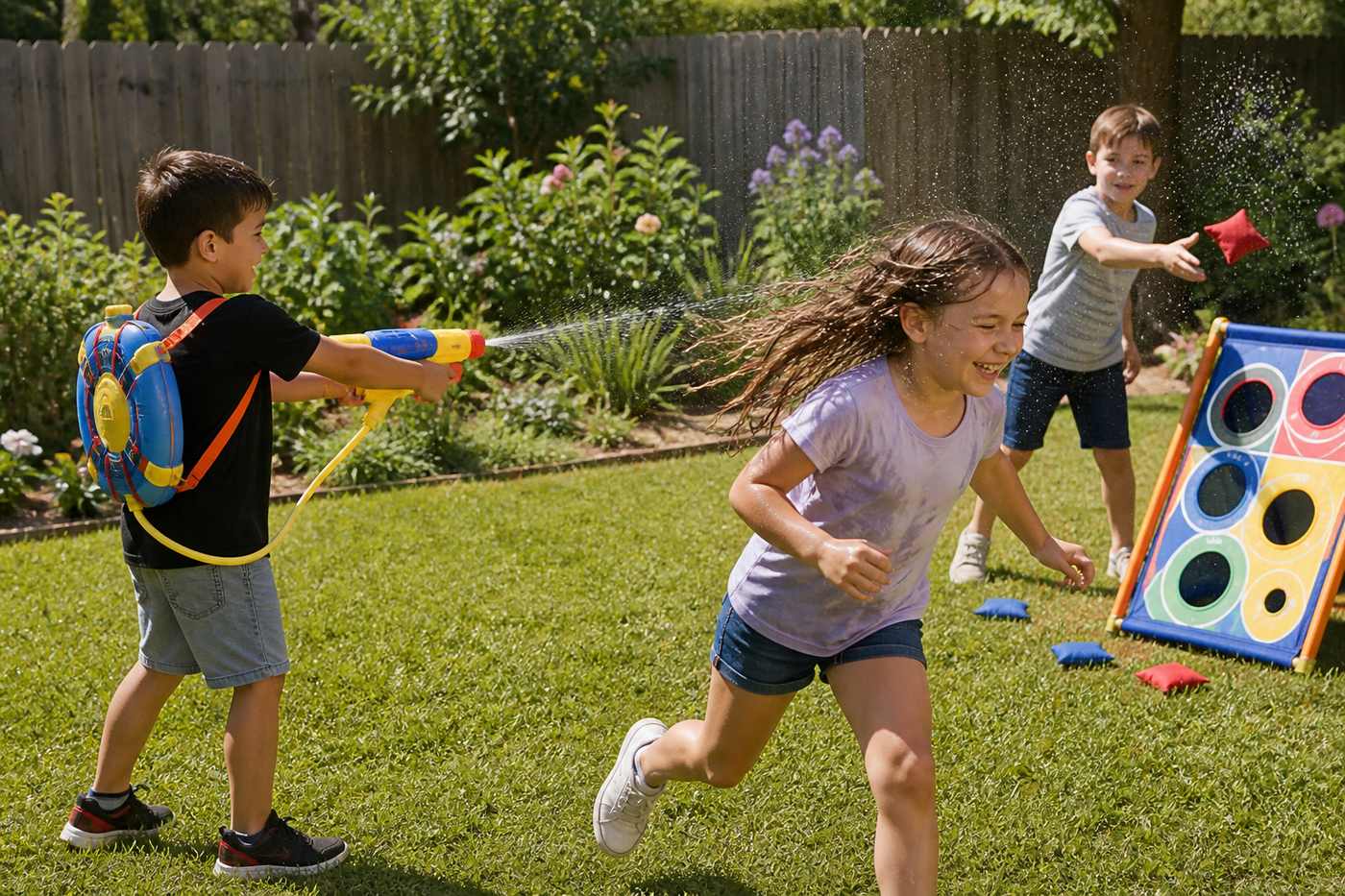
Pick the assortment you can prove, not the one that photographs best. For a seasonal outdoor line, private-label packaging planning is a fit-and-feasibility screen: match the packaging format and MOQ tier to the actual product and season, verify the safety and compliance paperwork behind every battery or small-part claim, confirm delivery and landed-cost assumptions in writing, then move only the survivors to sampling and quoting.
This page covers the four screens that decide the quote — packaging format and proofing, MOQ tier realism, safety and compliance evidence, and delivery/landed-cost confirmation — and names the exact document to request when a supplier's answer is vague. Format-specific claims like recyclability or compostability need regulatory definitions behind them, not a supplier's adjective; treat every catalog record as a catalog record only until the sample, current quote, age evidence and destination documents are reconfirmed.
Files before the purchase order
| File: Packaging specification sheet (format, substrate, dimensions, print method) | Proves: the packaging format and material actually specified for your SKU — cartons, films, mailers, trays or net bags — and whether the unit fits the carton cube. Does not prove: that the substrate meets your destination's environmental-claim rules. Ask if missing: which regulatory definition of recyclable, compostable or PCR content the supplier is claiming against. |
|---|---|
| File: Artwork proof and physical sample | Proves: colour, dieline and print registration on your actual substrate, and how the product sits inside the pack. Does not prove: that the sample came off the production line you will be shipped from. Ask if missing: whether the sample is from the same line and tooling as the mass run. |
| File: MOQ and tier quote (unit price at each quantity break) | Proves: the quantity breaks the factory will actually run, and where tooling or setup cost lands. Does not prove: your landed cost — freight, duty and dimensional-weight charges sit outside it. Ask if missing: a landed-cost quote that names origin, port and Incoterm. |
| File: Safety and compliance evidence for the exact SKU (test reports, declarations, battery-compartment documentation where applicable) | Proves: what the supplier is willing to put in writing for that SKU. Does not prove: that the report covers your colourway, age grade or destination market. Ask if missing: the report's scope, model list and issue date, plus who holds the file. |
| File: Carton packing list and units-per-carton confirmation | Proves: case pack, carton dimensions and gross weight — the inputs for container math and warehouse slotting. Does not prove: stacking strength under a full pallet load. Ask if missing: carton compression or stacking check results. |
| File: Delivery schedule with production and shipping milestones | Proves: the supplier's committed production window and cut-off for your season. Does not prove: peak-season performance — a Q4 schedule written in Q2 can slip. Ask if missing: the last two years' on-time performance for comparable seasonal runs. |
The file that usually arrives late: battery-compartment documentation
Battery-compartment documentation is the file buyers request last and need first, because a button or coin cell that a child can reach is a product-safety failure. Two verified official US recall cases show how this plays out in seasonal, light-up product: a recall published 2026-08-06 covering Easter LED Headbands (recall 26-662) cited a violation of the mandatory safety standard for toys with button cell and coin batteries, noting the lithium coin batteries could be accessed easily by children. A second case published 2026-04-02 covering Coluans Christmas Light-Up Rings Party Favors (recall 26-369) cited a battery compartment containing button cell batteries accessible to children. Both published hazards describe ingestion risk — internal chemical burns and death if a cell is swallowed.
The sourcing lesson is narrow and practical: if your seasonal line includes any illuminated or sound-generating item, ask for the battery compartment design and the test evidence that covers secure closure, and confirm it is scoped to the exact SKU and colourway you are buying. A generic declaration that 'batteries comply' proves nothing about your unit.
The same discipline applies to packaging claims. Private-label packaging sourcing spans cartons, films, mailers, trays and labels, and the environmental pitch — post-consumer recycled content, mono-materials, compostable or biodegradable options — only holds up when the supplier states which regulatory definition it is claiming against. A recyclability claim without that definition is marketing, not evidence, and it becomes a compliance exposure once the container has shipped.
FAQ
What MOQ should I expect for a private-label outdoor packaging run?
Expect the packaging decision to gate your quantity, not the toy. Published 2026 guidance puts the realistic floor for fully-custom packaging at roughly 100–300 units for digital-printed flexible pouches and 200–500 units for folding cartons, with stock packaging plus custom labels as the workable route below that. These are packaging-sector reference points, not outdoor-toy benchmarks — confirm the actual tier break for your SKU and format in writing before you commit.
Which safety documents do I need before placing a purchase order?
Ask for the test report or declaration scoped to the exact SKU, plus battery-compartment evidence for any item with a button or coin cell. The two US recall cases above show why: the cited hazard was battery accessibility, not the toy's play function. Confirm the report's model list, age grade and destination market, and who physically holds the file if a regulator or retailer asks.
How long should private-label development take for a seasonal line?
General private-label development guidance describes a 4–12 week window versus 1–2 weeks for white-label branding, with MOQs commonly at 100–500+ units. That is category-neutral background, not an outdoor-toy schedule. Build your calendar backwards from the retail set date and ask the supplier for their committed production window and their cut-off for artwork approval.
Does a sustainability claim on packaging need regulatory backing?
Yes. Post-consumer recycled content, mono-material and compostable or biodegradable formats all depend on the specific regulatory definition being applied. Ask the supplier to name the definition behind each claim and to show the supporting documentation for the substrate they are actually quoting — a claim without that backing is a risk you carry, not them.
What should I check on delivery and cost before signing?
Get a landed-cost quote that names origin, port and Incoterm, and keep packaging quoted separately so a switch from window box to polybag shows up as a number. Then run the carton math: units per carton, carton dimensions and gross weight drive both container fill and warehouse slotting. Carton compression or stacking checks are what confirm lower cartons survive pallet and container storage — ask whether they were run.
Which packaging format should I choose for a seasonal outdoor launch?
Choose stock packaging with a custom label if your first run is under roughly 200 units — the tooling and setup math does not close below that. Choose fully custom folding cartons or printed pouches once your quantity clears the supplier's tier break and you have artwork signed off with a physical sample in hand. For RC and vehicle items, a window box earns its cost by showing the product; for sand, water and yard-game sets, a labelled polybag or net bag usually protects the margin better.
Sources
- 10 Best Private Label Sustainable Packaging Manufacturers (2026)
- 11 Best Private Label Manufacturers for 2026: The Ultimate Guide to Scaling Your Brand - Hypersku
- 12 Best Private-Label/White-Label Print-On-Demand Companies
- 20 Best Manufacturers for Private Label Dropshipping
Related Products & Categories
Next step: turn the screen into a quote request
Run your shortlist through the six files above, flag every gap as a question rather than an assumption, and send the survivors out for sampling with the landed-cost terms specified up front. One illustration of how a catalog record reads: the Electric Water Gun Automatic Squirt Blaster Soaker Toy carries a 120-unit reference MOQ and a recorded material of plastic — a catalog record only, so reconfirm sample, current quote, age evidence and destination documents before you plan around it.